Two new partners join EUP OHAMR
We are very pleased to welcome both the Global Antimicrobial Resistance Research and Development Hub (Global AMR R&D Hub) and the Italian National Institute of Health (ISS) as new partners in the EUP OHAMR.
The addition of these organisations marks an important step in strengthening the Partnership’s expertise and international collaboration. Together, they bring extensive experience in AMR research, strategic coordination, evidence generation, and policy support, reinforcing EUP OHAMR’s mission to accelerate research and innovation through a One Health approach.

Shahida Syed, Head of Secretariat, EUP OHAMR, said:
“We are delighted to welcome both the Global AMR R&D Hub and ISS to the Partnership. Their expertise, international reach and commitment to the One Health approach will strengthen our collective efforts and enhance our ability to coordinate impactful research and innovation to tackle AMR. We look forward to working together to deliver lasting benefits for Europe and beyond.”
Lesley Ann Ogilvie, Director, Global AMR R&D Hub, said:
“AMR requires every one of us, across sectors and across nations, to bring our energy, our resources, and our commitment to building a safer, healthier world. That is why One Health AMR is more than a slogan to us—it is a guiding principle.
It is with great enthusiasm and a deep sense of honour that we join the EUP OHAMR. The Partnership’s mission to strengthen One Health research and innovation will be critical not only for Europe, but globally. We look forward to contributing the Hub’s data, insights, and expertise, and to working alongside our partners to advance our shared mission of tackling AMR through a truly One Health approach.”
Global AMR R&D Hub
The Global Antimicrobial Resistance (AMR) Research and Development (R&D) Hub is a partnership of countries, non-governmental donor organisations and intergovernmental organisations to address challenges and improve coordination and collaboration in global AMR R&D using a One Health approach.
The Hub supports governments and funders by mapping global AMR R&D investments, identifying research gaps and overlaps, and helping align funding priorities and strategies. Its Dynamic Dashboard is widely recognized as the world’s most comprehensive database of public and philanthropic AMR R&D investments. The Global AMR R&D Hub is funded by the German government and is administratively and legally hosted by the German Center for Infection Research (Deutsches Zentrum für Infektionsforschung e.V. – DZIF).
The Global AMR R&D Hub will be contributing to the EUP OHAMR Work Package 2, International Strategy Alignment and Collaboration in AMR, and Work Package 6, Knowledge valorisation to support exchange, transfer and uptake of research and innovation outcomes by end-users.
Italian National Institute of Health
The Italian National Institute of Health (Istituto Superiore di Sanità, ISS) is Italy’s leading biomedical and public health research institution and the main technical-scientific body of the National Health Service (Servizio Sanitario Nazionale, SSN). Operating under the supervision of the Ministry of Health, ISS provides scientific evidence, research and technical expertise to support public health policy and practice. Its work spans a broad range of health priorities, including AMR, infectious diseases, cancer, chronic and neurodegenerative diseases, rare diseases, and health promotion.
ISS will assume the official role of Leader of EUP OHAMR Work Package 4, Strengthening Capacity for Sustainable Antimicrobial Resistance Research, taking over from the Italian Ministry of Health. This change reflects an update in institutional affiliation, while ensuring continuity in leadership, as the same Work Package Leader will continue to guide WP4 and its activities.
Learn more about the Italian National Institute of Health (iss.it)
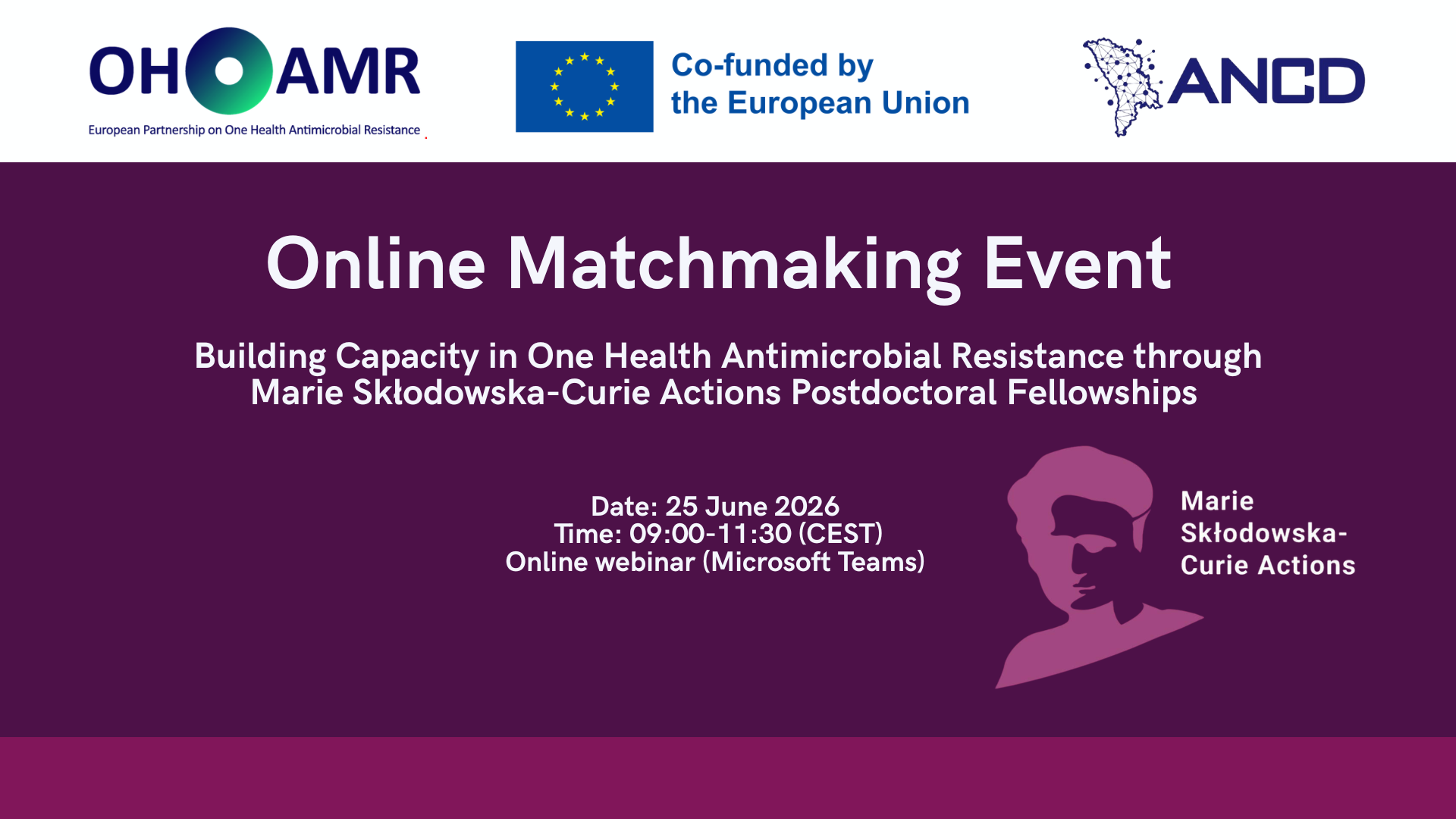
Success for EUP OHAMR – MSCA PF matchmaking webinar
On 25 June, the EUP OHAMR hosted the webinar "Building capacity in One Health Antimicrobial Resistance through Marie Skłodowska-Curie Actions Postdoctoral Fellowships (MSCA PF)."
The webinar brought together researchers, representatives of the European Commission, members of the EUP OHAMR, leading AMR research institutions, and Marie Sklodowska – Curie Actions (MSCA) Postdoctoral Fellows. It offered a valuable opportunity to learn more about MSCA Postdoctoral Fellowships and other funding opportunities, connect with potential host institutions, explore collaboration within the EUP OHAMR Partnership, gain first-hand insights from successful fellows, and establish new international research connections.
The event attracted nearly 100 participants from 82 countries worldwide, with particularly strong participation from low- and middle-income countries (LMICs) and Widening countries, highlighting the global interest in antimicrobial resistance research and international collaboration.
Watch the webinar (youtube.com)
Link to another websiteThe full recording from the EUP OHAMR – MSCA PF matchmaking webinar is now available.
Read more about the webinar
Visit the event webpage to learn more about the webinar and explore the full programme.
The webinar was organised within the framework of the European Partnership on One Health Antimicrobial Resistance (EUP OHAMR) with the support of the National Agency for Research and Development of the Republic of Moldova (NARD).

Potential topics for the EUP OHAMR joint transnational call 2027
The second EUP OHAMR joint transnational call will be within the focus area of preventing the emergence and spread of AMR. We are now sharing a list of call topics that are currently under consideration.
The call is still under development, but it is now clear that it will include one or more of the topics listed below.
Please note that the exact wording may change, and the definition of the call topic(s) may be further refined. The final list of selected topics will be published in October, together with an indicative list of the countries participating in the call.
The EUP OHAMR joint transnational call 2027 will be launched in November 2026.
Potential call topics
- Identify the reservoirs of AMR genes carried by mobile elements in different One-Health contexts, quantify the magnitude of transfer, and/ or inhibit their diffusion.
- Explore how changing environments (e.g. climate change, pollution) drive AMR resistance emergence, spread, ecology and evolution across bacterial and fungal pathogens.
- Model AMR transmission dynamics to predict the risk of AMR emergence and spread to support decision making of public authorities.
- Understand and strengthen awareness of AMR transmission routes across One Health sectors and especially in vulnerable groups.
- Understand and characterize the role of host commensal micro-organisms (including fungi) in AMR dynamics and develop solutions aiming at decolonizing the host (human and animals) to prevent transmission.
- Identify the environmental microbiota present in soil, water, air, wildlife, pests and rodents as a source of emergence of novel AMR, AMR spread and reservoir of clinically relevant AMR.
- Unravel the drivers of emergence/ re-emergence and spread of resistant bacteria in difficult or extreme situations (e.g. natural disasters/wars), and formulate effective strategies for mitigation.
- Identify risks and potential solutions to limit AMR in circular economy.
- Understand the drivers (including the socio-economic ones) of antibacterial and antifungal resistance in food systems and develop solutions.
- Develop or improve tools and methods to facilitate the reduction of resistant bacteria and fungi and resistance genes in environmental hotspots and investigate the impact on these tools and methods on AMR Transmission.
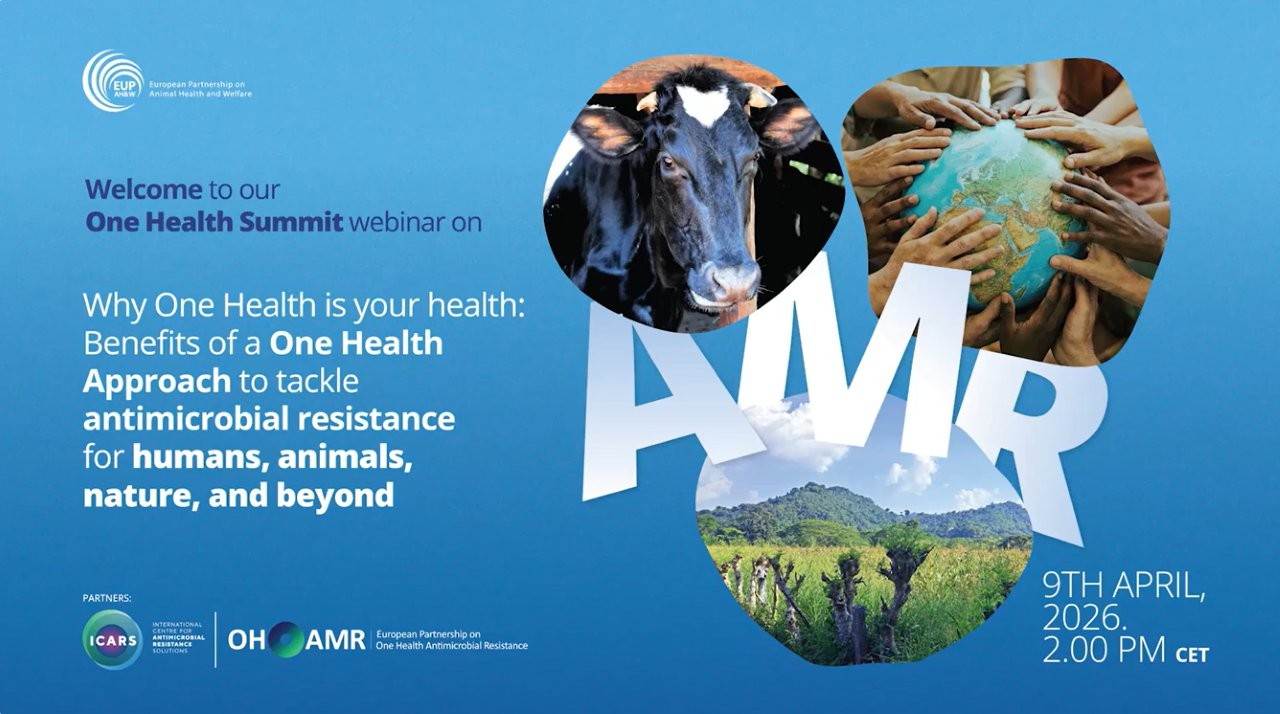
One Health Festival webinar recording now available
During the One Health Festival, EUP OHAMR – together with the International Society for Infectious Diseases, ICARS, and the European Partnership on Animal Health and Welfare (EUP AH&W) – organised a webinar highlighting the importance of a One Health approach to tackling antimicrobial resistance.
Key themes included collaboration, surveillance, diagnostics, biosecurity, and vaccination, all under the shared message: Why One Health is your health.

Engagement in global events: Spring highlights
In March and April, we actively engaged in a range of high‑profile global events, strengthening our visibility, networks, and strategic alignment on antimicrobial resistance (AMR) and One Health.
Inaugural Africa Fungal Disease Summit
2-3 March, Addis Ababa, Ethiopia. This landmark event convened over 100 high-level participants – policymakers, researchers, public health experts, donors, civil society and private sector partners – to catalyse Africa-led action on the rising burden of fungal infections and antifungal resistance.
The EUP OHAMR contributed to the panel Building research capability in LMICs: Lessons and Partnerships.
The event was organised by the Global Action for Fungal Infections (GAFFI) in collaboration with the Africa Centres for Disease Control and Prevention (Africa CDC).
First Americas Regional Meeting on Antimicrobial Resistance
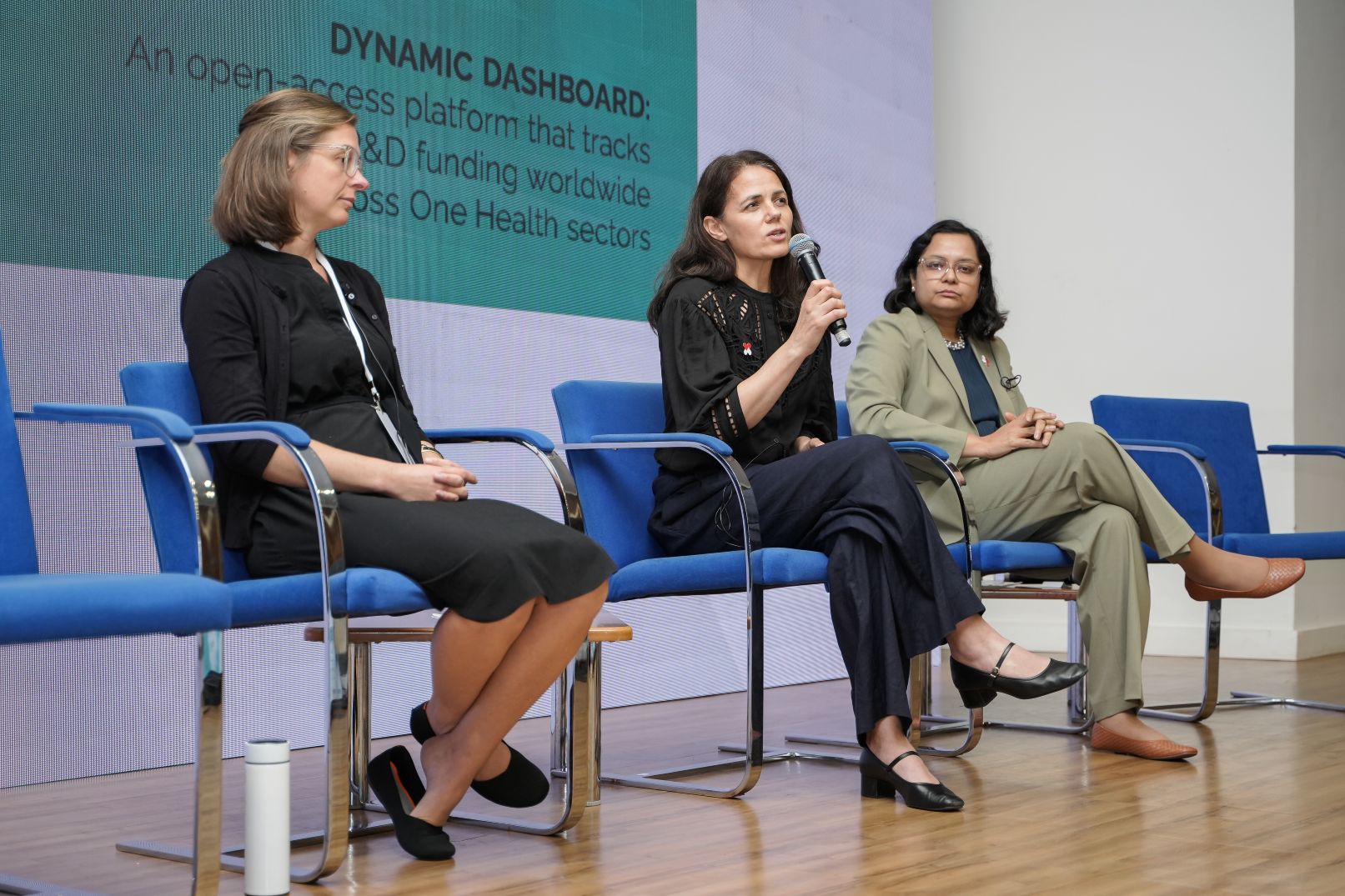
Betsy Trainor – CARB-X, Lesley Ogillve – Global AMR R&D Hub, and Shawon Lahiri – EUP OHAMR, in a panel discussion.
23-27 March, Brasilia, Brazil. Policymakers, researchers, and practitioners from across Latin America and the Caribbean gathered to advance a shared agenda on AMR, grounded in a One Health approach.
The meeting was organised by Brazil’s Ministry of Health (Ministério da Saúde) and other national, regional, and international organisations. It provided a space for regional dialogue and collaboration, with a shared focus on accelerating action on AMR through a One Health approach.
The EUP OHAMR supported the event and presented the partnership’s goals, highlighting the value of transnational collaboration and One Health approach in a panel discussion.
Health Partnership Day
17 March, Brussels, Belgium. Following our participation in the first Health Partnership Day in October last year, we had the opportunity to present the Partnership at this year’s second Health Partnership Day. Hosted once again by DG RTD, this informal workshop brought together Programme Committee members from the Cluster 1 “Health” configuration, along with invited experts from Member States and Associated Countries, to discuss the eight Health Co-Funded Partnerships.
We were pleased to present alongside the recently launched European Partnership on Pandemic Preparedness (BeReady) and the European Partnership for Brain Health. The event provided a valuable opportunity to connect with fellow coordinators of the Health Co-Funded Partnerships and with national experts, while exchanging views on how to further strengthen the implementation and impact of Horizon Europe Co-Funded Partnerships.
One Health Expert Symposium
19 March, Brussels, Belgium. We had the pleasure of presenting the Partnership at a One Health Expert Symposium organised by the British Embassy in Brussels, where we shared perspectives on building a truly collaborative One Health research community at the European level.
The event brought together leading UK and European stakeholders to strengthen collaboration across critical cross-disciplinary areas. Opened by Professor Dame Sally Davies, the UK Special Envoy on AMR, we took part in the panel discussion on opportunities for collaboration within the One Health research community. We were pleased to contribute to the discussion and engage in the rich exchanges that followed on the operationalisation of the One Health approach, highlighting both the challenges and the opportunities ahead.
Civil Society as a Driving Force in the Global AMR Response
31 March, Brussels, Belgium. The WHO Civil Society Task Force on AMR presented their priorities and workstreams, followed by a panel discussion on ways to connect across interests and contexts with the aim of unlocking the unique values brought by civil society engagement. The seminar was co-arranged by EUP OHAMR partner organisation EPHA and the European Economic and Social Committee.
ESCMID GLOBAL 2026
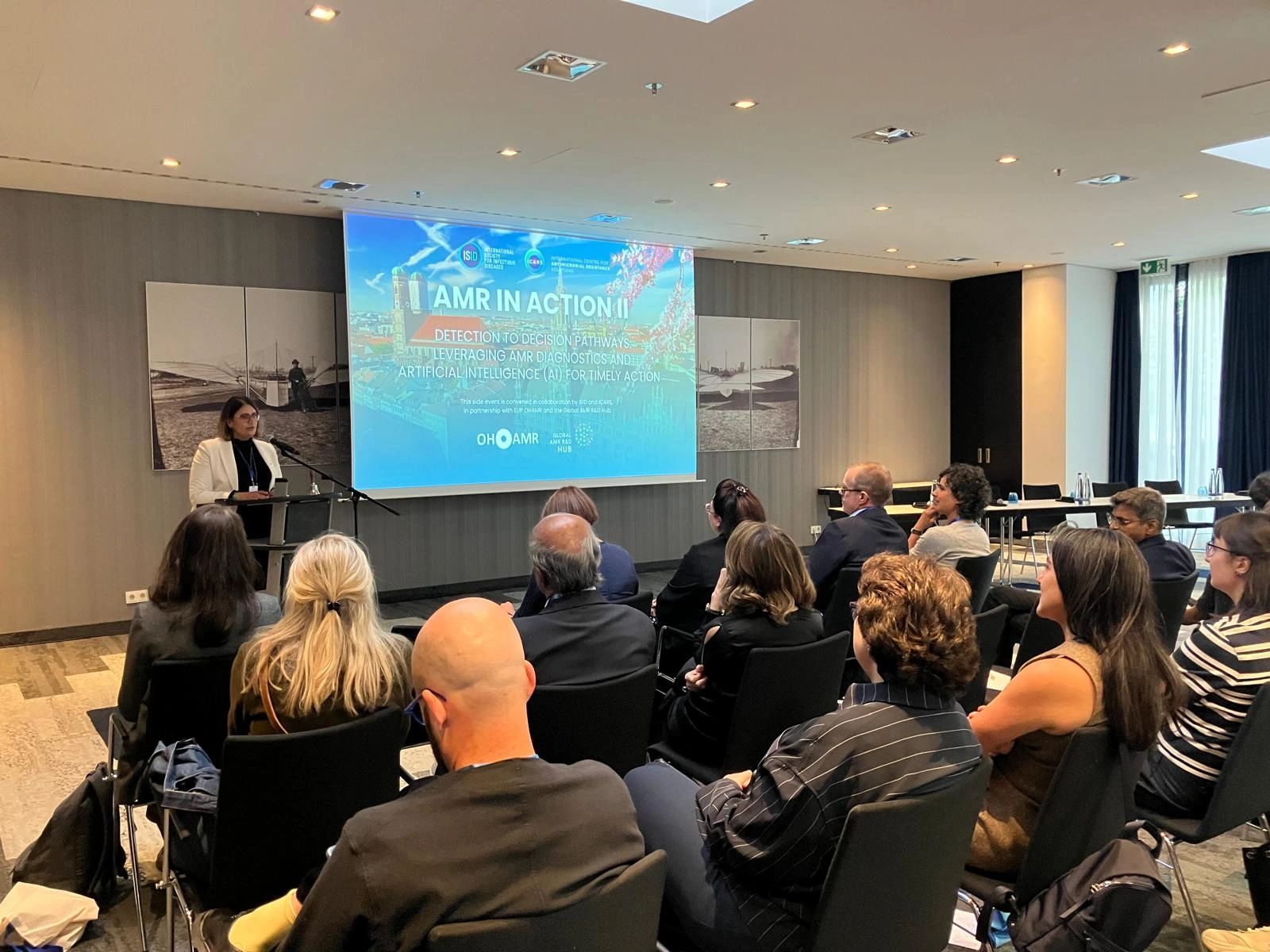
Shahida Syed, EUP OHAMR, at the AMR in Action II event.
19 April, Munich, Germany. We were pleased to co-host the ESCMID Global 2026 side-event AMR in Action II alongside ICARS, and the Global AMR R&D Hub. The event brought powerful case studies on AMR diagnostics – showing both their impact and the challenge of scaling uptake beyond developing cheaper tests toward redefining their value in AMR stewardship.
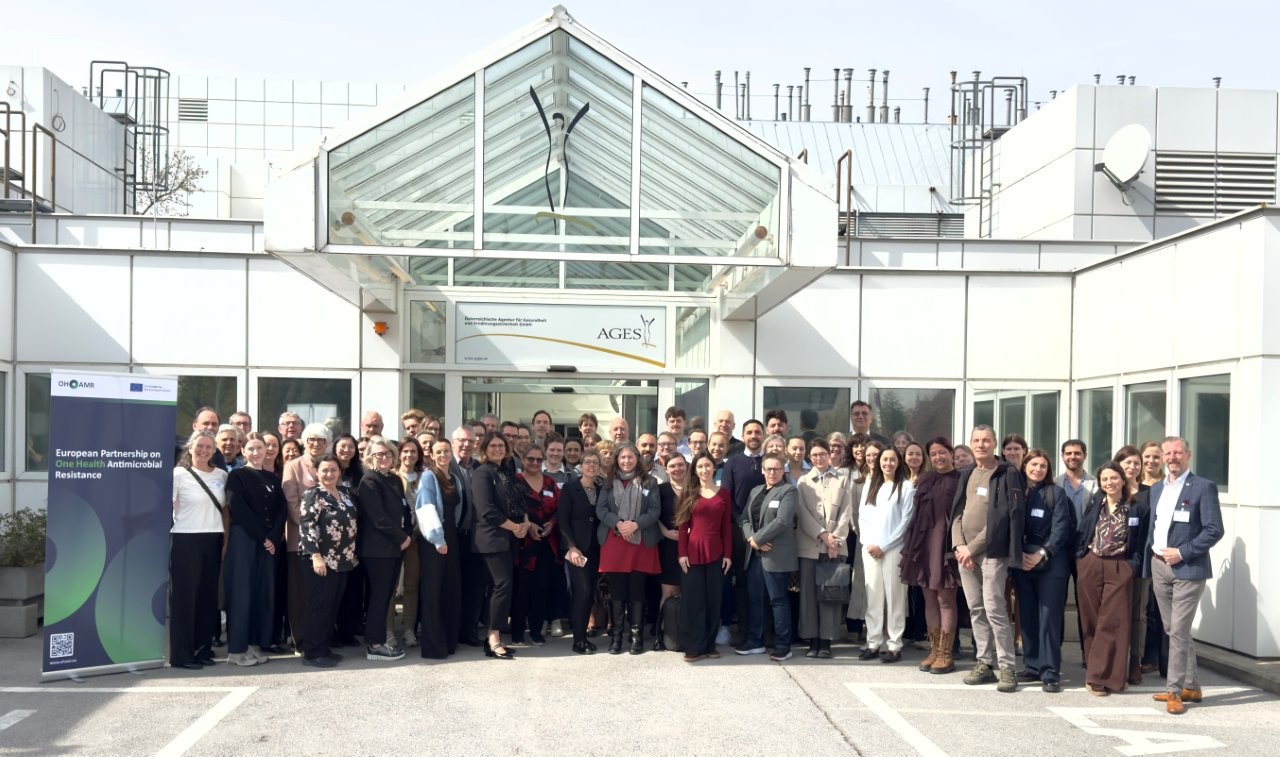
Successful EUP OHAMR Annual Meeting 2026 in Vienna
During four intensive meeting days this week, the first EUP OHAMR Annual Meeting brought together members of the Partnership, policymakers, and researchers from across Europe and beyond to discuss the Partnership’s ongoing work and future priorities. The meeting included the second in-person General Assembly, as well as several side meetings held in parallel.
Grounded in the cross-cutting themes of the EUP OHAMR Strategic Research and Innovation Agenda (SRIA), the first part of the General Assembly focused on the role of social sciences, AMR as a global challenge, and how implementation science and innovation can drive impact. The session featured presentations from members of the EUP OHAMR Scientific Advisory Board (SAB), followed by a panel discussion exploring barriers and opportunities, and underscoring the importance of integrating multiple perspectives in AMR research.
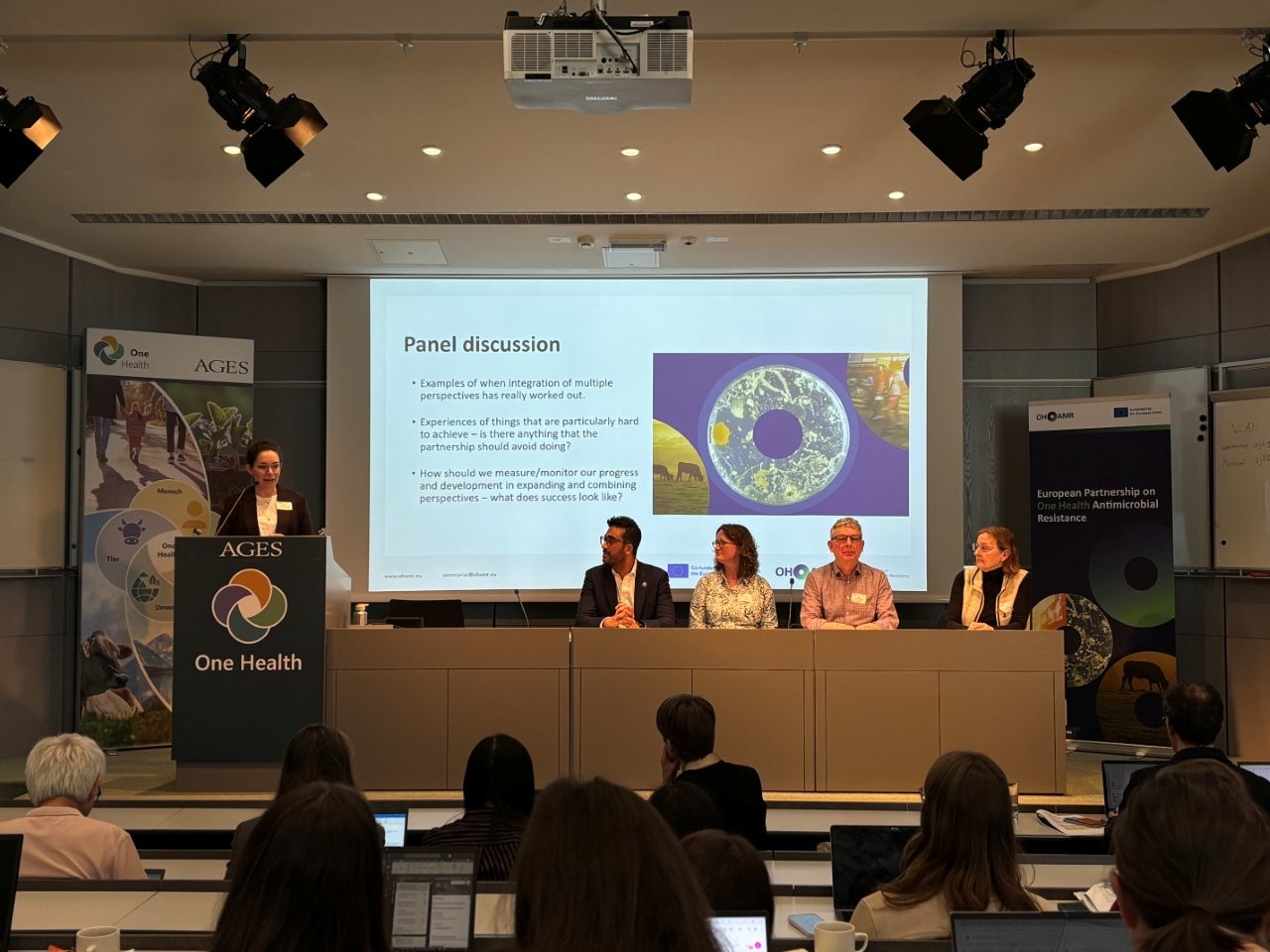
Panel discussion at the General Assembly. From left: Ulrica Dohnhammar, EUP OHAMR Secretariat; Mohamed Elhadidy, SAB member; Fiona Walsh, SAB member; Jaap Wagenaar, SAB Chair; Nina Langeland, SAB Vice-Chair.
Photo: EUP OHAMR Secretrariat
During the Annual Meeting, the Scientific Advisory Board held its first in‑person meeting, and the newly established Strategic Board convened for a hybrid kick‑off meeting.
Several of the Partnership’s Work packages also took the opportunity to meet and discuss upcoming activities, and two different workshops were organised during the week:
- WP4 Workshop on Capacity building
- WP5 Workshop: Expert Consultation Session on the emerging Research Data Management framework
The EUP OHAMR Annual Meeting 2026 in Vienna was kindly hosted by the Austrian Agency for Health and Food Safety (AGES).

First Scientific Advisory Board appointed!
We are pleased to introduce the first Scientific Advisory Board (SAB) of the EUP OHAMR.
The SAB brings together 16 international experts who will provide strategic advice to the Partnership on scientific, research, innovation, and policy-related matters across the full One Health spectrum.
Jaap Wagenar, SAB Chair: “The presence of the diverse disciplines in the SAB reflects well the One Health approach of the Partnership. Members are linked to numerous other networks making the SAB a well-informed and embedded group.”
Nina Langeland, SAB Vice-Chair: “I am thrilled to take part in the scientific advice on the needs and the research gaps on AMR in Europe. The broad and complementary expertise in the SAB will strengthen our team.”
The SAB is appointed for a three-year term.

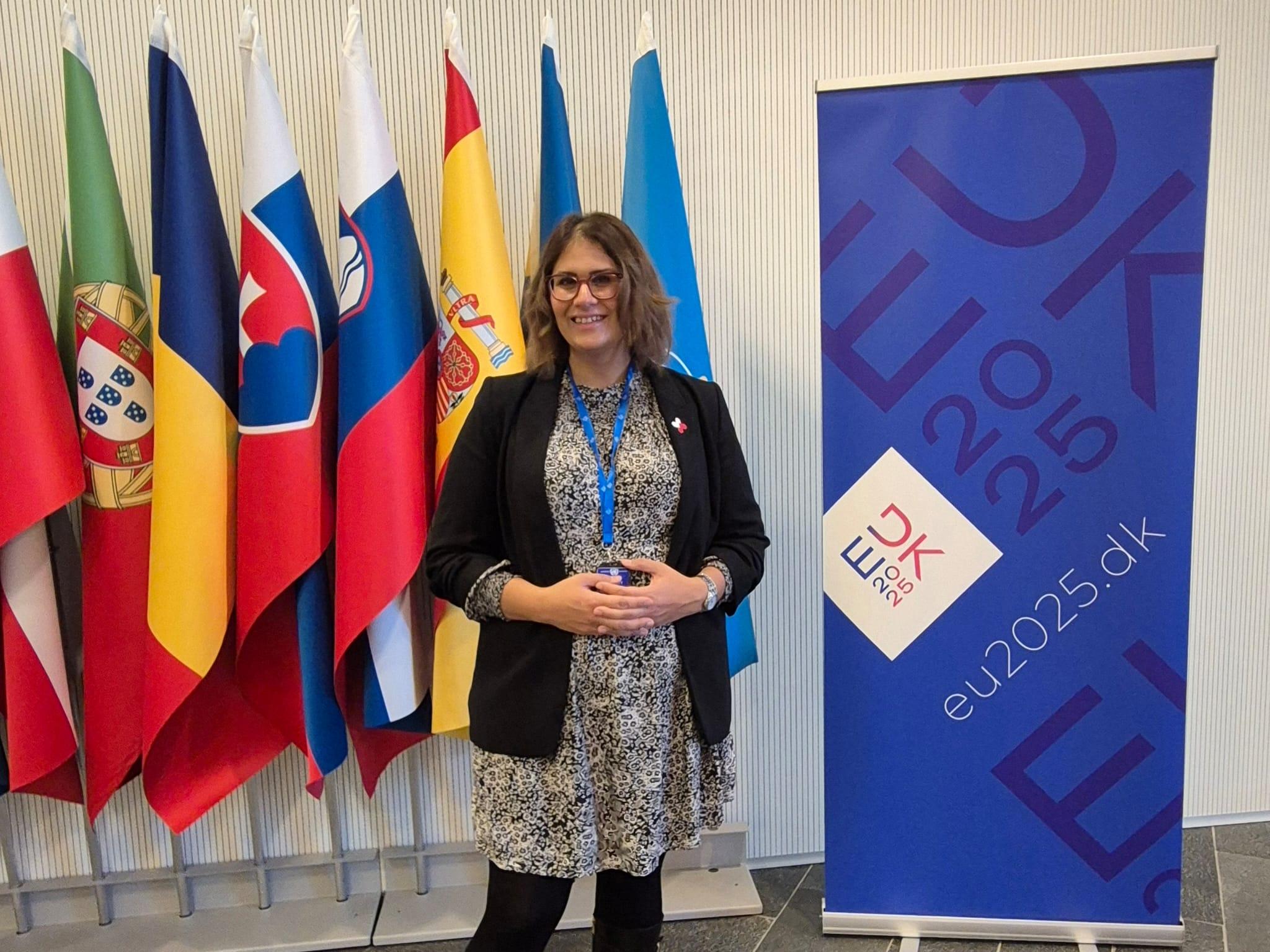
Strengthened visibility and collaboration: Autumn highlights
Over the autumn period, we have maintained a strong presence across a series of key European and global events, strengthening visibility, networks, and strategic alignment on antimicrobial resistance (AMR) and One Health.
Over the autumn period, the partnership maintained a strong presence across a series of key European and global events, strengthening visibility, networks, and strategic alignment on antimicrobial resistance (AMR) and One Health. We attended the inaugural Global AMR Innovators Conference (GAMRIC) in London (1–3 October) as exhibitors, where our OHAMR booth attracted significant interest from prospective applicants and stakeholders. This was followed by the Health Partnership Day in Brussels (8 October), providing an opportunity to exchange experiences and best practices with other initiatives within the health cluster.
Our One Health focus was further highlighted at the European One Health Association (EOHA) Side Event to the OSH4all conference in Lyon (4 November), where we presented a SWOT analysis on One Health integration within OHAMR, and at the Danish EU Presidency High-Level Conference on One Health in Copenhagen (5–6 November), where we contributed to a roundtable convened by the Danish Chief Veterinary Adviser on the future of One Health in Europe.
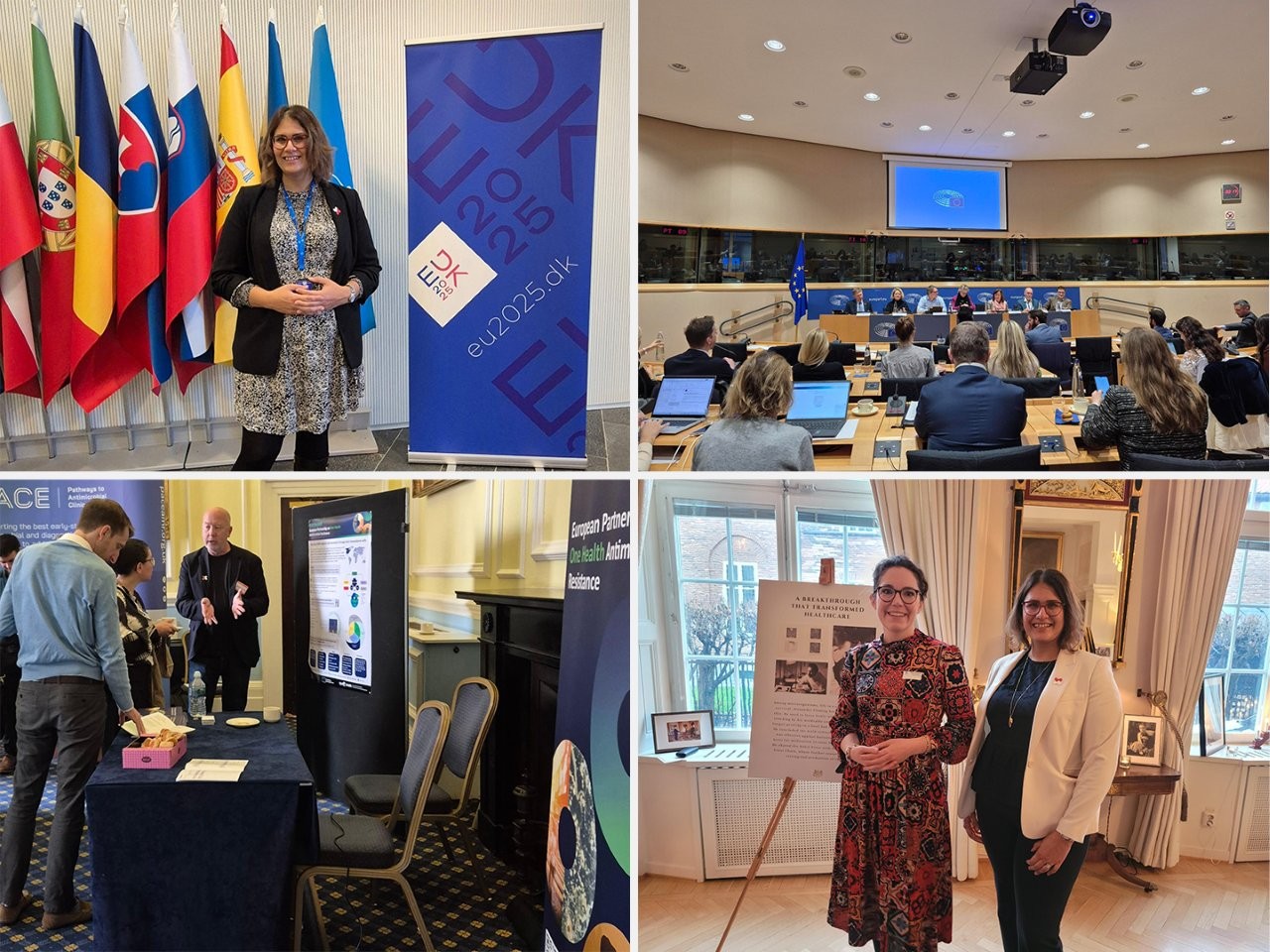
The EUP OHAMR secretariat at key AMR events: Danish EU Presidency High-Level Conference on One Health in Copenhagen; EU Parliamentary Event on AMR in Brussels; inaugural Global AMR Innovators Conference (GAMRIC) in London; celebration at the British Embassy in Stockholm, marking the 80th anniversary of Alexander Fleming receiving the Nobel Prize for the discovery of penicillin.
Photo credit: EUP OHAMR Secretariat
In parallel, we continued to engage with the research, policy, and end-user communities. At the BactiVac Annual Meeting in Birmingham (5–6 November), we deepened our understanding of bacterial vaccines as a powerful public health tool, while the Silver Economy Forum 2025 in Manchester (11–12 November) allowed us to participate in a roundtable on AMR, cancer, and ageing—key end-user groups highly reliant on antibiotics for effective care.
We also attended the Danish EU Presidency High-Level Meeting on AMR in Aarhus and Copenhagen (19–20 November), gaining insights into recent advances in AMR policy, and the European Patients Forum Annual Congress in Brussels (26–27 November), where we presented the Partnership and showcased how patient voices are embedded in our work.
December continued this momentum with engagement at the EU Parliamentary Breakfast Event on AMR and innovation in Brussels (3 December), where discussions focused on the EU’s new “pharma package”, MEP Stine Boss underlined the importance of basic research and discovery for driving innovation, and DG HERA highlighted OHAMR as a key EU instrument in tackling AMR. On the same day, we joined the European Partnership Stakeholder Forum, exchanging knowledge with other partnerships and learning about the European Commission’s new approach to partnerships under the forthcoming FP10.
The year concluded in Stockholm on 10 December with our attendance at the celebration marking the 80th anniversary of Alexander Fleming receiving the Nobel Prize for the discovery of penicillin, at a reception hosted by the UK at the residence of the UK Ambassador to Sweden—an inspiring reminder of the enduring impact of antimicrobial innovation.

Research call on new treatments to tackle AMR now open
The first EUP OHAMR joint transnational call "Treatments and adherence to treatment protocols" is now open! The call involves 37 funding organisations from 28 different countries and has an estimated total call budget of over 31 million Euro. The call is co-funded by the European Union.
Drug-resistant infections are responsible for an increasing number of treatment failures, increased mortality and decreased food productivity. Inappropriate use, poor adherence to prescriptions, and overuse of antibiotics are one of the main drivers of AMR and have a detrimental impact on the effectiveness of these critical medicines.
To develop novel treatment protocols or alternative treatment strategies against infectious diseases and to improve, preserve and reinforce the clinical efficacy of the current treatment antimicrobials is vital. It is also necessary to identify barriers preventing the proper adherence of the end-users to the treatment protocols already in place.
This first EUP OHAMR Call aims to improve the treatment success rates of the patients/animals/plants affected by bacterial or fungal infections by providing new treatment options while reducing the risk of resistance in the different One Health settings.

Participate in the EUP OHAMR survey to strengthen AMR research capacity!
We are launching a survey to identify gaps in strengthening research capacity in the field of AMR. Your input is valuable!
The survey aims to conduct a global assessment of the needs, barriers (incl. logistical, legal, financial), and potential collaboration opportunities for capacity strengthening activities that EUP OHAMR can support in the coming years.
The survey covers all areas related to AMR, as well as the three challenge-driven focal areas identified in the Strategic Research and Innovation agenda (SRIA) of the Partnership – to prevent, treat and control the spread of AMR.
Please fill in the survey by 23rd December 2025, 17:00 CET through the link below. The survey takes 20–25 minutes, can be completed anonymously, and you may provide your email for feedback. Please respond based on your experience.
Your input will help strengthen AMR research capacity within the EU and beyond and foster collaboration.
Contact us if you have any questions!
Austrian Agency for Health and Food Safety (AGES)
on behalf of the EUP OHAMR Work package 4
mail OHAMR-A4.1@ages.at