

Joint transnational call 2027
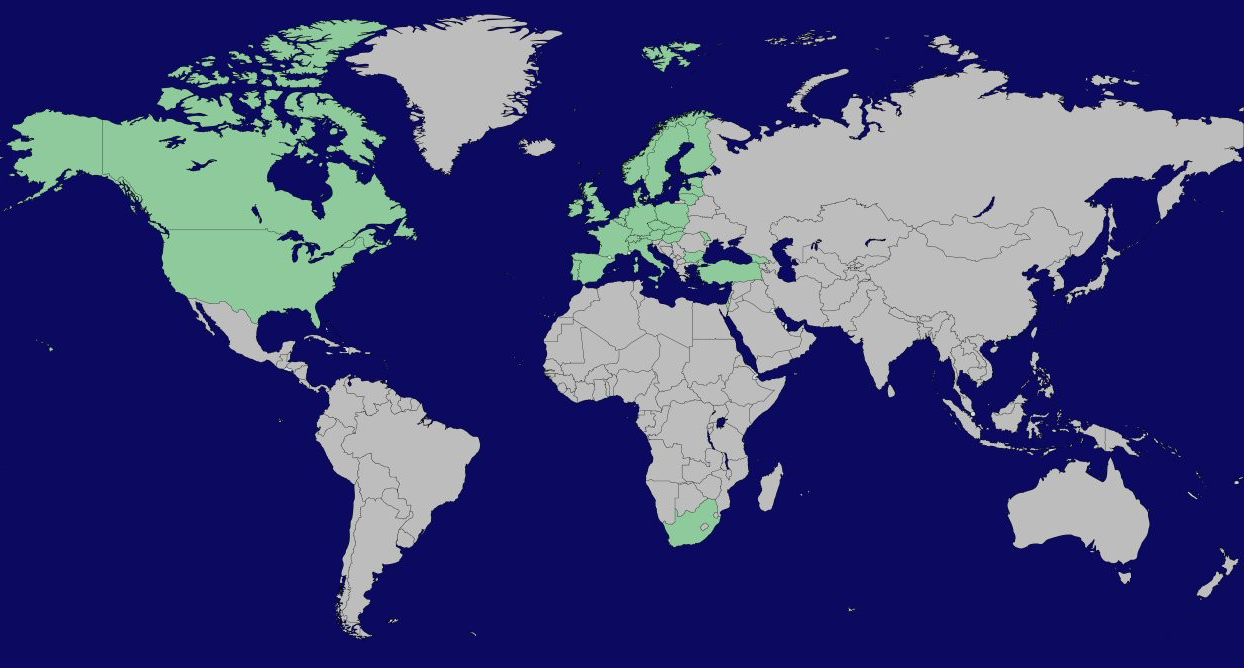
With an estimated total budget of €31 million, the EUP OHAMR Joint Transnational Call 2027 – Understand, Model and Stop AMR Transmission bring together 37 funding organisations from 27 countries to support international research collaborations aimed at improving our understanding of antimicrobial resistance (AMR) transmission and developing effective strategies to prevent its emergence and spread across the One Health spectrum. The call is co-funded by the European Union.
1. Call summary
Closes 01 February 2027
| Call title | JTC 2027 – Understand, Model and Stop AMR Transmission |
| Focus area | Prevent the emergence and spread of AMR |
| Thematic areas | Transmission and evolution; Surveillance; Interventions |
| Type of Call | Call for research and innovation projects |
| Initial grant period | Up to 3 years |
| Call opens | 18 November 2026, 11:00 CET |
| Call closes | 1 February 2027, 13:00 CET (pre-proposals) |
| Estimated Call Budget | 31 million Euros |
| Submission platform | PT Outline |
Please note
-
Only transnational research and innovation projects will be supported.
-
An online partner search tool is available.
-
Applications must be submitted to the EUP OHAMR submission platform and follow the EUP OHAMR pre-proposal/full proposal template.
-
Applications to EUP OHAMR joint transnational calls can require the submission of additional information on national funding platforms.
-
All applicants must have fulfilled both joint and national requirements for an application to be eligible.
-
Applicants are strongly advised to confirm their funding eligibility with their national/regional funding organisation before submission.
-
For updates to the call text, please see the History of change section at the bottom of this page.
2. Introduction
Antimicrobial resistance (AMR) is a global health challenge that affects human and animal health, food security and the environment. The European Partnership on One Health AMR (EUP OHAMR) is one of the key partnerships that has been identified by the European Commission within the framework of the Horizon Europe funding programme to support Research and Innovation (R&I) to respond to the challenges of AMR.
For the second EUP OHAMR Joint Transnational Call, 37 funding organisations from 27 countries will join their forces.
The EUP OHAMR was launched in June 2025 for a period of ten (10) years. The programme brings together 55 organisations (research and innovation funding organisations, key AMR actors, and stakeholders) from 30 countries in EU and beyond to address AMR challenges across sectors and One Health domains.
To ensure its mission, the EUP OHAMR will deploy a wide range of activities organised under four programmes:
- the R&I Funding programme, to provide a financial support to AMR R&I,
- the Capacity Strengthening Programme, to support training, networking and collaboration across disciplines, One Health sectors, professional domains (academia and industry including small and medium enterprises, SMEs), countries and career stages,
- the Data Exploitation Programme, to facilitate and promote access, sharing and (re)use of data and research infrastructures, and,
- the Impact Programme for knowledge mobilization, to facilitate uptake of research results into products, practice and policy for maximum societal impact.
The R&I Funding programme, which includes the launch of annual Joint Transnational Calls (JTCs), will be articulated around the three following focus areas:
- Prevent the emergence and spread of AMR
- Strengthen appropriate use of antimicrobials and infection prevention and control
- Provide innovative and cost-effective treatment options.
Each of the three focus areas covers various aspects of AMR related to therapeutics, diagnostics, surveillance, transmission and evolution, as well as interventions.
3. Aim of the call
This call will address focus area 1, namely, “Prevent the emergence and spread of AMR”. Current measures to decrease and control the emergence and spread of AMR and recent technical advances are still insufficient to reduce the burden of AMR. More knowledge on transmission dynamics is needed. In the coming years, novel and/or improved measures need to be developed to control AMR, based on a better understanding of the mechanisms driving emergence, evolution, selection, persistence, and transmission of AMR, in and between different One Health (OH) sectors.
4. Call topics
Research and innovation proposals submitted under the EUP OHAMR 2027 Joint Transnational Call must address one of the following topics:
Topic 1
Model AMR transmission dynamics to predict the risk of AMR emergence and spread to support decision making of public authorities
Proposals addressing this topic should develop AMR transmission models at the global scale to predict the emergence and spread of antibiotic and/or antifungal resistance (within One-Health settings or between different One-Health settings) to support the public authorities in taking evidence-based decisions to curb AMR transmission and spread. The models proposed should consider the contribution of the anthropogenic activities (such as agriculture, travels, trade, large gatherings, migration, war, etc) and/or societal properties (e.g. behavioural aspects of the population, population distribution) and climate change (heatwave, floods, etc) in order to identify points of intervention. Documented and coordinated collection, use and/or re-use of existing data and quality assessments are expected.
Topic 2
Understand and characterize the role of host commensal micro-organisms (including fungi) in AMR dynamics and develop solutions aiming at selective decolonizing of resistant organisms in the host (human and animals) to prevent transmission
Commensal micro-organisms in humans and animals can act as reservoirs of resistance genes, which can be transferred to pathogens. The purpose of this topic is to better understand the role of commensal organisms in the spread of AMR, and propose solutions to prevent AMR transmission.
Topic 3
Develop or improve tools and methods to reduce resistant bacteria, fungi, and resistance genes in environmental hotspots, and investigate the impact of these tools and methods on AMR transmission
Hotspots are where resistant bacteria, fungi, and resistant genes are present in large quantity for example: wastewater treatment plants, hospital pipelines, effluent of antibiotic and antifungal manufacturing production sites and manure. Proposals addressing this topic should identify, develop, improve and/or test innovative solutions facilitating the decontamination of the environmental hotspots (including, but not limited to the sites mentioned above) and demonstrate the impact on AMR transmission and on human health (excluding infection prevention and control measures). Proposals addressing this topic must consider at least two One Health settings (Human, Environment).
The following requirements applies for all call topics:
- Proposals should consider how the expected results will impact the risk of resistance in other One Health settings, and how the results could be extended to additional One Health settings.
- Proposals should explain their feasibility by outlining realistic objectives, practical methodologies, and achievable timelines (e.g.: workplan, risk identification, allocation of resources, capacity of the consortium to conduct the work, business plan if the proposal envisages commercial component, etc).
- Proposals must clearly demonstrate the potential health, social and/or economic impact(s) of the expected results. In particular, the proposals should explain how the uptake of the expected project results by the society/end-users/next actors will be facilitated (Pathway to impact).
- Proposals should clearly demonstrate the unique contribution of each partner (i.e. expertise, resources). In addition, the proposals should demonstrate the added value of transnational collaboration: sharing of expertise and resources (models, databases…), harmonization of data, access to innovative technologies, etc.
- Participation of the private sector (start-up, SMEs, industry) in the consortium is encouraged for all call topics, if appropriate (and in accordance to national/regional funding eligibility rules).
- Proposals submitted to this call should not present overlap with proposals by the same consortium submitted to/granted by other Horizon Europe or EU4Health calls or with projects previously funded by JPIAMR. In their full proposal, applicants will be asked to identify potential related projects and describe how their proposal does not overlap with, but possibly complements, a related EU project (including projects funded by other European Partnerships, projects submitted to external calls, as well as research activities funded internally).
- Clinical trials cannot be funded in this call.
5. Participating countries and funding organisations
Below is an overview of the participating countries and funding organisations in the EUP OHAMR joint transnational call 2027: Their national/regional funding commitments, expected number of funded proposals, and eligible topics and One Health settings.
The financial commitments and expected number of funded proposals per funding organisation.
| Country | Funding organisation | National/regional financial commitment | Expected number of funded proposals |
|---|---|---|---|
| Australia | National Health and Medical Research Council (NHMRC) | 4 000 000 AUD Ca. 2 456 000 € | 8 |
| Austria | Fonds zur Förderung der Wissenschaftlichen Forschung (FWF) | 1 400 000 € | 3-4 |
| Belgium | Fonds de la Recherche Scientifique (FNRS) | 300 000 € | 1 |
| Belgium | Fonds Wetenschappelijk Onderzoek-Vlaanderen (FWO) | 700 000 € | 2-3 |
| Belgium | Service Public de Wallonie (SPW) | 1 000 000 € | 2 |
| Canada | Canadian Institutes of Health Research (CIHR) | 600 000 CAD Ca. 372 000 € | 1 |
| Czech Republic | Ministerstvo Zdravotnictvi Ceske Republiky (MZCR)/ Agentura pro zdravotnicky vyzkum (AZVCR) | 500 000 € | 2 |
| Denmark | Innovationsfonden, Innovation Fund Denmark (IFD) | 1 600 000 € | 3-5 |
| Estonia | Regionaal- ja Põllumajandusministeerium (REM) | 100 000 € | 1 |
| France | Agence Nationale de la Recherche (ANR) | 1 800 000 € | 6-8 |
| Germany | Bundesministerium für Forschung, Technologie und Raumfahrt (BMFTR)/ Deutsches Zentrum für Luft- und Raumfahrt Projektträger (DLR, without own financial contribution) | 3 700 000 € | 10 |
| Hungary | Nemzeti Kutatási, Fejlesztési Innovációs Hivatal (NKFIH) | 300 000 € | 1-2 |
| Ireland | Department of Agriculture, Food and the Marine (DAFM) | 200 000 € | 1 |
| Ireland | Taighde Éireann – Research Ireland (TÉ-RI) | 600 000 € | 1-2 |
| Ireland | The Health Research Board (HRB) | 530 000 € | 1-2 |
| Israel | Ministry Of Health – Chief Scientist Office (CSO-MOH) | 360 000 € | 2 |
| Italy | Fondazione Regionale per la Ricerca Biomedica (FRRB) | 1 500 000 € | 3-4 |
| Italy | Ministero della Salute (MOH-IT) | 1 000 000 € | 2 |
| Latvia | Latvijas Zinatnes Padome (LZP) | 600 000 € | 2 |
| Lithuania | Lietuvos Mokslo Taryba (LMT) | 300 000 € | 1-2 |
| Malta | Xjenza Malta (XM) | 500 000 € | 1-2 |
| Moldova | National Agency for Research and Development (NARD) | 100 000 € | 1-2 |
| Netherlands | Zorgonderzoek Nederland (ZonMw) and Nederlandse Organisatie voor Wetenschappelijk Onderzoek (NWO) | 2 500 000 € | 6 |
| Norway | The Research Council of Norway (RCN) | 1 340 000 € | 2-3 |
| Poland | Narodowe Centrum Nauki (NCN) | 1 000 000 € | 3-4 |
| Portugal | Fundacao para a Ciencia e a Tecnologia (FCT) | 400 000 € | 2-4 |
| Slovakia | Centrum Vedecko Technickych Informacii Slovenskej Republiky (CVTI SR) | 300 000 € | 1-2 |
| Spain | Instituto Aragones de Ciencias de la Salud (IACS) | 150 000 € | 1-2 |
| Spain | Agencia Estatal de Investigación (AEI) | 800 000 € | 4-5 |
| Spain | Instituto de Salud Carlos III (ISCIII) | 500 000 € | 2-3 |
| Sweden | Vetenskapsrådet, Swedish Research Council (SRC) | 15 000 000 SEK Ca. 1 385 000 € | 3-4 |
| Switzerland | Swiss National Science Foundation (SNSF) | 1 364 285 CHF Ca. 1 460 338 € | 4-5 |
| Türkiye | Turkiye Bilimsel ve Teknolojik Arastirma Kurumu (TUBITAK) | 500 000 € | 3-4 |
| United Kingdom | Medical Research Council – United Kingdom Research and Innovation (MRC – UKRI) | 1 000 000 £ Ca. 1 150 000 € | 3-4 |
| United Kingdom | Department of Health and Social Care (DHSC) | 500 000 £ Ca. 570 000 € | 1-2 |
Eligible call topics and One Health settings per funding organisation.
| Country | Funding organisation | Eligible topic(s) | Eligible One Health settings |
|---|---|---|---|
| Australia | National Health and Medical Research Council (NHMRC) | 1, 2, 3 | Human Health |
| Austria | Fonds zur Förderung der Wissenschaftlichen Forschung (FWF) | 1, 2 | Human Health, Animal Health, Environment, Plant Health |
| Belgium | Fonds de la Recherche Scientifique (FNRS) | 1, 2, 3 | Human Health, Animal Health, Environment, Plant Health |
| Belgium | Fonds Wetenschappelijk Onderzoek-Vlaanderen (FWO) | 1, 2, 3 | Human Health, Animal Health, Environment, Plant Health |
| Belgium | Service Public de Wallonie (SPW) | 2, 3 | Human Health, Animal Health, Environment, Plant Health |
| Canada | Canadian Institutes of Health Research (CIHR) | 1, 2, 3 | Human Health |
| Czech Republic | Ministerstvo Zdravotnictvi Ceske Republiky (MZCR)/ Agentura pro zdravotnicky vyzkum (AZVCR) | 1, 2, 3 | Human Health |
| Denmark | Innovationsfonden, Innovation Fund Denmark (IFD) | 1, 2, 3 | Human Health, Animal Health, Environment, Plant Health |
| Estonia | Regionaal- ja Põllumajandusministeerium (REM) | 1 | Human Health, Animal Health, Environment, Plant Health |
| France | Agence Nationale de la Recherche (ANR) | 1, 2, 3 | Human Health, Animal Health, Environment, Plant Health |
| Germany | Bundesministerium für Forschung, Technologie und Raumfahrt (BMFTR)/ Deutsches Zentrum für Luft- und Raumfahrt Projektträger (DLR) | 1, 2, 3 | Human Health, Animal Health, Environment, Plant Health |
| Hungary | Nemzeti Kutatási, Fejlesztési Innovációs Hivatal (NKFIH) | 1, 2, 3 | Human Health, Animal Health, Environment, Plant Health |
| Ireland | Department of Agriculture, Food and the Marine (DAFM) | 2 | Animal Health, Environment, Plant Health |
| Ireland | Taighde Éireann – Research Ireland (TÉ-RI) | 1, 2, 3 | Human Health, Animal Health, Environment, Plant Health |
| Ireland | The Health Research Board (HRB) | 1, 3 | Human Health, Animal Health, Environment, Plant Health (a relation to Human Health is required) |
| Israel | Ministry Of Health – Chief Scientist Office (CSO-MOH) | 1, 2, 3 | Human health, Animal Health, Environment (a relation to Human Health is required) |
| Italy | Fondazione Regionale per la Ricerca Biomedica (FRRB) | 1, 2, 3 | Human Health |
| Italy | Ministero della Salute (MOH-IT) | 1, 2, 3 | Human Health, Animal Health, Environment, Plant Health |
| Latvia | Latvijas Zinatnes Padome (LZP) | 1, 2, 3 | Human Health, Animal Health, Environment, Plant Health |
| Lithuania | Lietuvos Mokslo Taryba (LMT) | 1, 2, 3 | Human Health, Animal Health, Environment, Plant Health |
| Malta | Xjenza Malta (XM) | 1, 2, 3 | Human Health, Animal Health, Environment, Plant Health |
| Moldova | National Agency for Research and Development (NARD) | 1, 2, 3 | Human Health, Animal Health, Environment, Plant Health |
| Netherlands | Zorgonderzoek Nederland (ZonMw) and Nederlandse Organisatie voor Wetenschappelijk Onderzoek (NWO) | 1,3 | Human Health, Animal Health, Environment, Plant Health |
| Norway | The Research Council of Norway (RCN) | 1, 2, 3 | Human Health, Animal Health, Environment, Plant Health (a relation to Human Health is required) |
| Poland | Narodowe Centrum Nauki (NCN) | 1, 2, 3 | Human Health, Animal Health, Environment, Plant Health |
| Portugal | Fundacao para a Ciencia e a Tecnologia (FCT) | 1, 2, 3 | Human Health, Animal Health, Environment, Plant Health |
| Slovakia | Centrum Vedecko Technickych Informacii Slovenskej Republiky (CVTI SR) | 1, 2, 3 | Human Health, Animal Health, Environment, Plant Health |
| Spain | Instituto Aragones de Ciencias de la Salud (IACS) | 1, 2, 3 | Human Health, Animal Health, Environment |
| Spain | Agencia Estatal de Investigación (AEI) | 1, 2, 3 | Human Health, Animal Health, Environment, Plant Health |
| Spain | Instituto de Salud Carlos III (ISCIII) | 1, 2, 3 | Human Health, Animal Health (ISCIII can only fund research groups working on AH related to zoonotic diseases), Environment (eligible only if the research has a direct connection to human health) |
| Sweden | Vetenskapsrådet, Swedish Research Council (SRC) | 1, 2, 3 | Human Health, Animal Health, Environment, Plant Health |
| Switzerland | Swiss National Science Foundation (SNSF) | 1, 2, 3 | Human Health, Animal Health, Environment, Plant Health |
| Türkiye | Turkiye Bilimsel ve Teknolojik Arastirma Kurumu (TUBITAK) | 1, 2, 3 | Human Health Animal Health Environment, Plant Health |
| United Kingdom | Medical Research Council – United Kingdom Research and Innovation (MRC – UKRI) | 1 | Human Health |
| United Kingdom | Department of Health and Social Care (DHSC) | 1 | Human Health |
The funding will be provided by the national/regional research funding organisations participating in the call. Each of them will fund their national/regional applicants, according to their own eligibility rules.
To be eligible for funding, applicants must comply with the regulations and scientific remits of their own funding organisations as detailed in the National and Regional Requirements or specific regulations of their corresponding funding partner organisation. Read more below under “Applicants and national rules”.
Applicants are strongly advised to confirm their funding eligibility with their national/regional funding organisation before submission.
Please note
- The exchange rates for funders outside the Euro-zone are listed in the National and Regional Requirements, see below.
- For Canada, Topic 3 is only relevant when environmental work is explicitly connected to human health outcomes.
- For Czech Republic, the Call is administered by the Czech Health Research Council (AZV CR) at the national level but the Ministry of Health of the Czech Republic (MZ CR) is the funding organisation.
6. General conditions for application
The call will only support transnational research and innovation projects. You can find more information on the rules for composing your consortium in the section Composition of the transnational consortium.
- The call will follow a two-step evaluation process (submission of a pre-proposal; successful consortia will be invited to submit a full proposal).
- Pre-proposals and full proposals must be written in English, and must follow the format and the guidelines provided in the pre-/full proposal templates. Pre-proposals or full proposals that do not follow the template guidelines (i.e. number of pages of the different sections, number of CVs and letters of intent) will be rejected without further review. The link to download the pre-proposal template can be found below. The full proposal template will be sent to the project coordinators invited to the next evaluation stage.
- Pre-proposals and full proposals must be submitted by the project coordinator on the EUP OHAMR on-line submission platform. No other means of submission (i.e. post or email) will be accepted. Please note that some funding organisations might request an additional mandatory submission on their own national/regional platform (see national rules and requirements). Pre-/full proposals submitted on a national/regional platform but not on the EUP OHAMR submission platform will be rejected without further review.
- In absence of other information, the call will follow the timeline indicated in the timetable presented in the next section. Applicants must respect the submission deadlines indicated. Submission of pre-proposals or full proposals after the submission timeline will not be accepted. Applicants must consider enough time to complete the information on-line. In particular, please consider that collecting some information, such as the Participant Identification Code (PIC) of your research organisation, may require external procedures. Applicants should also ensure that they will have a proper internet connection at the time of submission.
- All questions related to the general eligibility rules and general evaluation process should be addressed to the EUP OHAMR Joint Call Secretariat at EUP-OHAMR@DLR.de.
- All questions related to the national/regional eligibility rules and national/regional eligibility costs should be addressed to the national/regional funding organisations.
- The only official communication line between the project consortia and the Joint Call Secretariat is through the project coordinator. Throughout the application procedure the Joint Call Secretariat will only contact the project coordinators by email, who must forward all information to other partners of their consortia. This includes evaluation results.
Resources

PT Outline: EUP OHAMR submission platform
Link to another websiteSubmit your pre-proposal, written in the EUP OHAMR template, through our online submission platform.
Participant Identification Code (PIC) of your research organisation
Link to another websiteSearch the EU Funding & Tenders Portal to find your organisation’s PIC code.
7. Call timeline
-
Completed
Call pre-announcement
19 October 2026
-
Current stage
Publication of the call
18 November 2026
-
Upcoming
Webinar for applicants
25 November 2026 (13:30 CET)
Learn more about the webinar and register: Webinar for applicants in the EUP OHAMR JTC 2027
-
Upcoming
Form your project consortium
November 2026 – January 2027
Use the partner search tool to facilitate networking and the creation of consortia: Partner search tool
-
Upcoming
Prepare your application
November 2026 – January 2027
You need to write your application in this template: JTC 2027 Pre-proposal form
Use our checklist to make sure that your project consortium meets the eligibility rules of this call: Checklist for applicants
-
Upcoming
Submission deadline for pre-proposals
1 February 2027
Submit your pre-proposal, written in the EUP OHAMR template, through our online submission platform: PT Outline submission platform
-
Upcoming
Communication of the results of the pre-proposal assessment
5 May 2027
Communication of the pre-proposal evaluation results by the Joint Call Secretariat. Invitations to submit full proposals will be sent by e-mail only and will not be published on the EUP OHAMR website or on national websites.
-
Upcoming
Submission deadline for full proposals
23 June 2027
-
Upcoming
Final funding recommendation announced to applicants
4 November 2027
E-mail sent by the Joint Call Secretariat.
-
Upcoming
Publication of the results
November 2027
Publication of the results on the EUP OHAMR website during the World AMR Awareness Week.
-
Upcoming
Start of the projects
December 2027 – April 2028
8. Composition of the transnational consortium
To be eligible, the submitted pre-/full proposals must respect the following eligibility rules regarding the composition of their consortium. Consortia not respecting the following eligibility rules will be rejected without further review.
- The consortium must include a minimum of three (3) eligible partners asking for funding from three (3) different eligible countries (including at least two amongst EU Member States or Associated Countries).
- The consortium can include a maximum of six (6) project partners (including non-funded partners). The maximum number of partners can be increased to seven (7) if the consortium includes:
- at least one partner from an under-represented country or
- at least one partner where the Principal Investigator meets the definition of an Early-Career Researcher or
- a start-up, SME, or an Industry.
- For the purpose of this call, the under-represented countries are: Czech Republic, Hungary, Latvia, Lithuania, Malta, Moldova, Poland, and Slovakia.
- A consortium cannot include more than two (2) partners requesting funding from the same funding organisation.
- A consortium cannot include, as funded partners as well as non-funded partners, any legal entities established in Russia, Belarus, or in non-government-controlled territories of Ukraine, or any legal entities established outside Russia but whose proprietary rights are directly or indirectly owned for more than 50% by a legal person, entity or body established in Russia. This list is not extensive and may evolve. Please consult the general annexes of the 2023-2025 Horizon Europe funding programme for more information on other restrictive measures.
- A principal investigator can apply for max. two proposals, one as partner and one as coordinator (and in accordance to national/regional funding eligibility rules).
- At both the pre- and full proposal stages, all partners, including non-funded partners, must submit a signed letter of intent along with their pre-/full proposal (the templates to be used for the letters of intent are included in the pre-/full proposal templates). In the absence of these letters, the proposal will be declared ineligible. At the pre-proposal stage, the letter of intent must be signed by the project investigators representing the different partner institutions. At the full proposal stage, the letter of intent should also be signed by a person having the legal mandate to represent the partner institutions.
Please note
- For the purpose of this call, an Early-Career Researcher (ECR) is a PhD holder, up to 8 years after the year of PhD award, holding a position at a recognized institution. The 8-year period may be extended to allow for career breaks including documented: parental leave, positions of trust in trade union organizations and student organizations, mandatory military or civil service, illness (own illness or care for close family members), medical internships or medical fellowship (applies to clinically active professionals). The last two categories may involve periods of up to 24 months each. Please note that the EUP OHAMR definition of an ECR may differ from the national/regional definition. Contact the Joint Call Secretariat and your national/regional funding organisation to confirm your eligibility.
- For UK partners, the limit of two partners applies to both UK funding organisations, meaning that the consortium cannot include more than 2 UK partners funded either by MRC-UKRI or DHSC.
Composition of the consortium should not be modified between the pre- and the full proposal except for widening (see below), in case of force majeure/unforeseen event (e.g. change of professional affiliation, lab relocation, prolonged absence of the Principal Investigator, etc.), or upon recommendation of the Peer Review Panel or request of the Call Steering Committee.
In any case, changes in the composition of the consortium must be approved by the funders of the respective proposal ahead of the submission of the full proposal. In particular, the project coordinator should send an e-mail to the Joint Call Secretariat, and to the respective funding organisations, at least 15 calendar days before the full proposal submission deadline to confirm the eligibility of the proposed modifications.
Widening
Consortia which are invited to the second stage of the call (full proposal) will be able to increase their initial size by adding one (1) new partner eligible for funding by an under-subscribed funding organisation. The total number of partners in the consortium must not exceed eight (8).
An under-subscribed funding organisation is understood as a funding organisation that, based on the outcome of the pre‑proposal stage and budget planning by the funders, is expected to underspend the full amount of funds it has committed to the call. The list of such organisations will be determined and documented by the funders.
Project coordinators will be notified of this option in their invitation letter to submit a full proposal. The list of under-subscribed funding organisations will be included in the full proposal template.
The widening process promotes inclusiveness, ensure global participation, relevance and impact of the submitted projects in and outside Europe, as well as maximisation of the use of the committed resources.
Resources

Partner search tool
Link to another websiteA match-making tool has been created for applicants, to facilitate networking and the creation of consortia.

Checklist for applicants
Link to another websiteUse this checklist to ensure that your project consortium meets all eligibility requirements before submitting your pre-proposal.
The general annexes of the 2023-2025 Horizon Europe funding programme (ec.europa.eu)
Link to another websiteThis document describes the general conditions applicable to calls and topics for grants and other forms of funding under the Horizon Europe main work programme.
9. Applicants and national rules
A transnational project consortium can consist of both funded and non-funded partners.
Joint research proposals may be submitted by partners belonging to the following categories (according to national/regional regulations, certain categories may not be eligible for funding by a specific funding organisation, or some categories may be mandatory, please see the National Rules and Requirements):
- Academia (public and private universities, other higher education institutions or research institutes).
- Clinical/public health sector (hospitals/public health and/or other health care settings and health organisations, including primary health care).
- Enterprises (private companies of all sizes involved in research and innovation).
- Operational stakeholders – e.g. patient advocacy organisations, municipalities and local governments, local/national NGOs. Operational stakeholders should be able to provide useful knowledge to the consortium, ensure the consortium’s research is useful and translatable to their (or other) organizational contexts, and/or influence decision making or create change within their organisations. Operational stakeholders should be engaged in the research process from conception of the study to dissemination.
Each partner institution will be represented by one Principal Investigator who will be a researcher scientifically responsible for the implementation of tasks assigned.
- Project partners not eligible for funding (e.g. from countries not participating in the call or not fundable according to national/regional regulations of the funding partner organisations) may be involved in projects if they bring their own funding (in-kind).
- The budget of non-funded partners must be included in the proposal (in-kind Budget) and shall not exceed 30% of the requested total transnational project budget.
- The number of non-funded project partners in a consortium must not exceed the number of funded partners.
- A project partner not receiving funding cannot be the coordinator of a proposal.
- Non-funded partners have the same responsibilities as funded partners, i.e. they must accept all EUP OHAMR rules and guidelines as set out in this Call Text.
Conflict of interest
To avoid conflicts of interest, employees of the EUP OHAMR Partner organisations are not allowed to apply to this call, with the exception of the staff working in AGES, ICARS, ISCIII, IACS, TUBITAK and DLR.
AGES and ICARS have been excluded from the call preparation. Firewall measures (such as organisation of the work in separate divisions) have been put in place internally in ISCIII, IACS, TUBITAK and DLR to guarantee an equal treatment of the applicants and applications. In particular, the persons working on the call implementation will ensure that no confidential information will be shared with their research community.
9.3 National rules and requirements
The funding will be provided by the national/regional research funding organisations participating in the call. Each of them will fund their national/regional applicants, according to their own eligibility rules.
To be eligible for funding, applicants must comply with the regulations and scientific remits of their own funding organisations as detailed in the national and regional requirements or specific regulations of their corresponding funding partner organisation, see link below.
Applicants are strongly advised to confirm their funding eligibility with their national/regional funding organisation before submission.
10. Evaluation
This call will follow a two-step evaluation process that will comply with the principles of transparency, equal treatment and non-discrimination. Your application is evaluated in competition with the other applications by an international peer review panel.
Formal check and evaluation of pre-proposals
The Joint Call Secretariat (JCS) will check all proposals to ensure that they meet the call’s formal criteria, i.e. date of submission; number and category of participating countries; inclusion of all necessary information in English; appropriate limits on length; signature of the letters of intent, number of proposals per investigator. In parallel, the JCS will forward the proposals to the national/regional funding organisations, which will perform a control for compliance with national/regional regulations.
Each proposal passing both eligibility controls will be evaluated independently by two to three reviewers for a first evaluation (see evaluation criteria below). Potential conflicts of interests of the evaluators will be taken into consideration during the allocation of the proposals.
The reviewers will perform the evaluation of the pre-proposals and complete a written evaluation form with scores and comments for each evaluation criterion. The pre-proposal written evaluation will result in 3 ranking lists, one ranking list for each topic. The ranking lists are based on the average score received by each pre-proposal.
The pre-proposals that have been considered in scope by the reviewers and that obtained an average score >13 will be automatically invited to submit a full proposal. The pre-proposals that were not recommended for the next stage by at least two of the reviewers and that obtained an average score <10 with no strong score discrepancy (StDev<2) will be automatically rejected.
The following pre-proposals will be discussed during a Peer Review Panel (PRP) meeting:
- the pre-proposals that obtained an average score ≥10 and ≤ 13;
- the pre-proposals that obtained an average score <10 with a strong score discrepancy (StDev>2) and that were recommended for the next stage by at least 2 out of the 3 reviewers;
- the pre-proposals that obtained a score > 13 but that were considered out of scope by at least one of the reviewers.
As a result of the Peer Review Panel (PRP) meeting, a consensus score will be identified for those pre-proposals.
To avoid conflicts of interest during the PRP meeting, evaluators with a conflict related to a specific proposal (i.e. co-publication with one of the applicants during the last 5 years, current collaboration with one of the applicants, same research center as one of the applicants, personal or professional links with one of the applicants that may compromises the evaluator impartiality, involvement in the preparation of the proposal) will not participate in the discussion of that proposal.
The Call Steering Committee (CSC) will meet to decide which of those proposals will be invited to submit a full proposal based on the reviewers’ scores and to ensure a reasonable balance of requested and available national/regional budgets. Pre-proposals which do not pass this evaluation will not be invited for the full proposal stage. The consortia will receive a consensus report without scores written by one of the experts.
Formal check and evaluation of full proposals
The JCS will check the full proposals to ensure that they meet the call’s formal criteria and have not changed substantially from the respective pre-proposals (e.g. composition of the consortium, the objectives of the project or the requested budget). In parallel, the JCS will forward the proposals to the national/regional funding organisations, which will perform a check for compliance with national/regional regulations.
Each full proposal passing both checks will be allocated to three reviewers taking the potential conflicts of interest into consideration.
The reviewers will perform the evaluation of the full proposal and complete a written evaluation form with scores and comments for each criterion (see evaluation criteria below).
During a second PRP meeting, the reviewers will discuss all proposals and produce 3 ranking lists of proposals recommended for funding (one ranking list for each call topic). To avoid conflicts of interest, evaluators with a conflict related to a specific proposal will not participate in the discussion of that proposal and will leave the meeting.
The final summary review report prepared by the evaluators will be sent to the respective project coordinators.
Ethics and legal requirements
Please note that at the full proposal stage, applicants will be required to complete a self-assessment checklist for ethics and to provide details on safety, animal studies, genetically modified organisms and microorganisms, environmental hazards and waste handling, data management, statistical methods, ethics and legal issues.
Applicants should anticipate this requirement and ensure that they have consulted with relevant experts to verify the feasibility of the project, and that the proposal can be completed within the defined budget and within the prescribed time window.
Full proposals recommended for funding by the PRP and selected for funding by the board of funders (CSC) will undergo an ethics review by an Ethics Panel.
Ethics experts will remotely check the selected proposal for their compliance with ethical norms and regulations. A meeting will also be organised for a discussion between the various ethics experts.
If necessary, the ethics experts may ask the consortium for clarifications. The ethics experts may highlight some vigilance points that need to be monitored during the implementation of the funded project. Only those proposals approved by both the scientific evaluation and ethics assessment (complying with all central Horizon Europe and regional/national ethical requirements) will be recommended for funding.
Decision
The board of funders (CSC) will take their funding decision, based on the ranking lists established by the PRP, the available funding and the ethics panel recommendations.
The JCS will send by e-mail the funding recommendation to the project coordinator, who is then responsible to communicate this information to the respective project partners.
Redress Procedure
Applicants can appeal against the evaluation outcome if they suspect a breach in the implementation of the evaluation and selection procedures. This redress procedure only covers the procedural aspects of the evaluation.
A mere disagreement with peer reviewers or panel members’ comments are not grounds for an appeal. The redress procedure will not call into question the scientific or technical judgement of appropriately qualified experts.
The applicants shall submit their appeal against the evaluation outcome to the JCS via e-mail (EUP-OHAMR@DLR.de) up to 7 calendar days (168 hours) after the date of the notification of evaluation outcome sent by the JCS at the end of each step (evaluation of the pre- or full proposal).
For an appeal to be admissible the following conditions must be met:
- The appeal must be submitted by the project coordinator of the proposal to which the appeal relates
- Only one appeal per proposal can be submitted after each step
- The appeal must contain the following minimum information: the name of the call for proposals, the proposal acronym, the title of the proposal, a description of the alleged shortcomings of the evaluation procedure.
The appeal must demonstrate a procedural irregularity, factual or manifest errors in the evaluation process, misuse of powers, or a conflict of interest. Appeals that do not meet the above conditions, or do not deal with the evaluation of a specific proposal or express mere disagreement with the result or the reasoning of the evaluation will be judged as not suitable for redress.
Upon receipt of an appeal, an acknowledgement of receipt will be sent by the JCS as soon as the e-mail is read. The acknowledgement shall report the redress process and the anticipated date by which a decision on the appeal will be communicated to the appellant.
All appeals received by the 7 calendar days deadline will be processed together by a designated redress committee and the decision will be communicated to the appellant within 14 calendar days from the deadline for submitting the appeals.
Questions related to the national/regional eligibility decisions will not be handled by the JCS and need to be addressed to the respective national/regional funding organisation.
The evaluation of the scientific quality of your application is made based on three main criteria (Excellence, Impact, Quality and efficiency of the implementation). For each criterion there are several sub-criteria.
Excellence
- Clarity and pertinence of the objectives (pre-proposal and full proposal)
- Credibility of the proposed approach and methodology, in relation to the research objectives (pre-proposal and full proposal)
- Soundness and research base of the concept (pre-proposal and full proposal)
- Novelty, potential to advance the field, timeliness, and innovation (pre-proposal and full proposal)
- Scientific excellence of the consortium (pre-proposal and full proposal)
Impact
- Impact of the proposal to achieve the objectives of the call topic (pre-proposal and full proposal)
- Potential of the expected results for public health, and animal health, agriculture, or environmental benefit (including economic viability/sustainability where appropriate) (pre-proposal and full proposal)
- Relevance and consideration of the One Health concept (pre-proposal and full proposal)
- Potential for fostering a longer-term international network of researchers. For example, bringing together specific know-how and/or innovative technologies, gathering a critical mass of patients or biological material, sharing of resources (models, databases, biobanks, etc.), and international comparisons (pre-proposal and full proposal)
- Potential reach of the project results, including dissemination and communication measures. Accessibility of the proposed innovative strategy (different geographical areas, different populations including low-resource or underserved populations) (full proposal only)
- Appropriateness of end-user and stakeholder participation/engagement, for example, policy makers, industry, patient organisation, health and veterinary care, farmers, etc. (full proposal only)
Quality and efficiency of the implementation
- Coherence and effectiveness of the work plan, including appropriateness of the allocation of tasks within the given timeframe (pre-proposal and full proposal)
- Adequate distribution of the tasks between the project partners considering the required expertise (pre-proposal and full proposal)
- Strength of the transnational collaboration (balanced geographical distribution of the tasks) (pre-proposal and full proposal)
- Integration of social, economic, equity and cultural dimensions into the proposed research (pre-proposal and full proposal)
- Quality of the proposed Open Science practices, data management, Intellectual Property management, and Freedom to Operate where appropriate (full proposal only)
- Appropriateness of the management and governance structures and procedures, including risk and innovation management (full proposal only)
- Potential exploitation (including strategy to identify and address potential barriers) and relevance of the outcomes of the findings beyond the current project (long term strategy) (full proposal only)
- Contingency plan, including risk assessment and mitigation (including of unforeseen circumstances) (full proposal only)
- Justification of the requested budget and cost-effectiveness of the project (appropriate distribution of resources in relation to project’s activities, partner responsibilities and time frame) (full proposal only)
Please note
Proposals not relevant to the call topics and objectives (out of the scope) will not be funded, independently of their scientific quality. The decision if a project is in/out of scope will be taken by the reviewers and the evaluation panel in the pre-proposal stage.
Evaluation scores will be awarded for the three main criteria (Excellence, Impact and Implementation), and not singularly for the different aspects listed therein, although these different aspects will be taken into consideration in scoring the main criteria.
The weight of each of the three main criteria (Excellence, Impact and Implementation) is equal.
The scoring system:
0: Failure. The proposal fails to address the criterion in question or cannot be judged because of missing or incomplete information.
1: Poor. The proposal shows serious weaknesses in relation to the criterion in question.
2: Fair. The proposal generally addresses the criterion, but there are significant weaknesses that need corrections.
3: Good. The proposal addresses the criterion in question well, but few improvements are possible.
4: Very good. The proposal addresses the criterion very well, but minor improvements are possible.
5: Excellent. The proposal successfully addresses all aspects of the criterion in question; there are no suggestions for improvement.
In order for an application to be considered fundable, the threshold score for individual criteria is set at three (3) (of a maximum of five (5)). The overall threshold for the score for all three criteria together is set at ten (10). The maximum score that can be reached from all three criteria together is fifteen (15) points.
11. Responsibilities of the Grantees
This section outlines the terms and conditions associated with your grant, including consortium agreements, Open Science requirements, reporting obligations, ethical considerations, and communication and dissemination activities. As an applicant you must take these requirements into account while drafting your budget and planning your project resources and workload.
Partners from the projects approved for funding will subsequently enter into granting arrangements with the relevant funding organisations, according to their applicable grant awarding process and will be funded directly by the respective Funding organisations.
Partners from the projects approved for funding must fix a common scientific project start date, which will be the reference date for the progress reports. Projects are expected to start between December 2027 and April 2028.
The ultimate goal of the EUP OHAMR is to bring together national research efforts in order to make better use of public Research and Development (R&D) resources and to tackle common global challenges more effectively in selected key areas.
For EUP OHAMR activities to contribute effectively to socioeconomic progress, the results of the research activities must be exploited. This requires appropriate identification and protection of the intellectual property being generated and effective knowledge transfer. Any particular protection and exploitation strategy should be agreed before the research activities start.
Depending on the nature of the research and on the interests of the different parties, if there are opportunities for exploitation, it is recommended that parties decide in advance on either adopting a common exploitation strategy or leaving exploitation of results to the party best placed to commercialise it, with appropriate compensation mechanisms for the contributing parties.
Please see section below for a link to a simplified consortium agreement template, available on the DESCA website. National rules and regulations may apply, please consult the national rules.
The partners of each funded project are required to set up and sign a Project Consortium Agreement (PCA) in order to deal with issues related to the role, tasks and responsibilities within the consortium, the protection of intellectual property, and where applicable how the consortium will address the ten principles of Socially Responsible Licensing.
The coordinator is responsible for providing the PCA signed by all partners to the EUP OHAMR secretariat (reporting@ohamr.eu) when requested during the mid-term progress reporting.
Upon request, this consortium agreement must be made available to the concerned funding organisations. The project consortium is strongly encouraged to sign the PCA before the official project start date and, in any case, the PCA should be signed no later than six months after the scientific project start date.
The PCA needs to be in accordance with the national funding rules of the respective funding partner organisations – see the section National rules and requirements. Please note that certain funding organisations may need the signed PCA to release the funds.
The PCA must address (as a minimum), the following points:
- common start date and duration of the research project and the duration of the PCA;
- organisation and management of the project;
- role, tasks, and responsibilities of each partner;
- the resources and funding;
- confidentiality and publishing;
- Intellectual Property Rights (if applicable);
- how the ten principles of Socially Responsible Licensing will be addressed (if applicable);
- decision making within the consortium;
- handling of internal disputes;
- the liabilities of the research partners towards one another (including the handling of default of contract).
Any issues regarding funding are a bilateral matter between each project partner and the relevant funding organisation and should be excluded from the PCA.
Please see the DESCA website for further information and templates of a simplified consortium agreement under the Horizon Europe Framework.
EUP OHAMR requires grant holders to make data and research findings resulting from their project available following the principle “as open as possible, as closed as necessary”. To this end, EUP OHAMR supports research consortia in implementing Open Science practices, focusing on data management according to FAIR principles (Findable, Accessible, Interoperable, Re-usable), and sharing research findings via open access publications.
The open science requirements for EUP OHAMR funded projects are in line with the guidelines for research data management of Horizon Europe.
Data Management
Data management is mandatory for EUP OHAMR funded projects. It involves first that applicants are strongly encouraged to look for options for re-using existing data, standards, tools, and infrastructures, particularly those familiar to the AMR research community, to enhance interoperability.
Secondly, applicants must ensure that they plan the appropriate activities for their project, enabling them to make data available as soon as possible and re-usable for verifying results, and future research and innovation. Their plan must include the necessary expertise on data stewardship and sufficient budget to be able to manage research data, in line with the FAIR principles. Grant holders will receive more details on the requirements later in the process.
Note that all requirements and guidelines referring to ‘data’, also apply to other resources that are used to perform the research, and are needed to re-use or validate the data and published research findings. These resources include for instance physical research outputs (such as biological samples, molecular derivatives), research software, (meta)data standards and tools.
How to make your research data FAIR
Link to another websiteRead more on the OpenAIRE website on how to make your research data more findable, accessible, interoperable and resusable via the FAIR principles.
Read more on data stewardship
Link to another websiteData stewardship is the responsible planning and executing of all actions on digital data before, during and after a research project, with the aim of optimising the usability, reusability and reproducibility of the resulting data. You can read more on data stewardship in this report from Open Science NL.
Capacity and community building
The EUP OHAMR plans to organize online-awareness and -training workshops for granted projects. These activities will be organized throughout the course of the partnership. Attendance (on-line) to the workshops will be mandatory for the coordinators and partners of the funded projects (FAIR awareness) and for the project’s data stewards and/or other members of the project group who are involved in data-related tasks (data FAIRification).
The aim is to improve knowledge and skills in creating re-usable and machine-actionable (i.e. FAIR) data, and to build an OHAMR-community of data-experts. Funded projects benefit from the workshops as they lead to a common understanding on data FAIRification and its benefits in research, an equal playing field for researchers, and preventing the reinvention of the wheel by individual research groups.
The EUP OHAMR as a whole, benefits as the workshops facilitate the research community to profit optimally from reusable data and emerging AI-approaches to advance knowledge generation on OHAMR.
What needs to be done in the application phase?
Applicants must check the requirements for data management and data sharing of the relevant national funder. EUP-OHAMR specific requirements will be provided later in the process, when grants are awarded.
Applicants do not need to deliver a data management plan (DMP) yet. However, already in this phase, they must plan carefully what is needed for re-using existing data (including the permission required therefore), and for managing data (and other resources) to become findable and re-usable for future users. The application must particularly include:
- A plan to involve experts on data stewardship, who are facilitated to dedicate their expertise to the project to realise data re-usability. The data-experts must also be able to participate in workshops aimed at building FAIR data-expertise and community engagement.
- Sufficient budget to enable the data-experts to be involved in the project.
- Sufficient budget to make use of tools, services and infrastructures to realise planned and required data re-usability. Be aware of the requirement to provide access to research data in trusted repositories.
What needs to be done once the project is funded?
Once the project is funded, a DMP must be developed. The Project Coordinator must prepare a DMP no later than six months after the scientific project start date. The project coordinator is responsible for sending an updated DMP with the midterm and the final term progress reports of the project to the EUP OHAMR secretariat (reporting@ohamr.eu). The Horizon Europe template for DMP should be used. Grant holders will receive further information, when grants are awarded.
At the end of the project, research data and other outputs, software and other tools or instruments necessary to validate the publications’ conclusions must be made available by depositing in a trusted repository.
The final DMP must be completed and delivered, including information on how resources can be found, where they are stored, and access conditions.
Open Access Publications
Beneficiaries must disseminate results, including scientific publications, to the public as soon as possible. Peer-reviewed scientific publications must be made available in open access. Guidelines and options to comply to the requirements are available on the OpenAIRE website:
Peer-reviewed publications issued from EUP OHAMR funded projects must be open access by depositing the final version or peer-reviewed manuscripts in a trusted repository. For journal articles, a Creative Commons Attribution (CC BY) or equivalent open license should be requested to the editor. For publishing long-texts, Creative Commons Attribution Non-Commercial/Non-Derivatives licenses are also allowed. In addition, the research outputs, tools, or instruments necessary to validate the publications’ conclusions should be deposited in a trusted repository.
Each participant may also be required to comply with the Open Access policy of its funding organisation (See country-specific information in national rules). To find out if a scientific journal complies with open access, check on the Directory of Open Access Journals or the Journal Checker tool. All research projects funded by EUP OHAMR are eligible to publish on Open Research Europe (ORE), the Platform of the EC at no cost.
Overall project monitoring will be the responsibility of the EUP OHAMR Secretariat. On behalf of the project consortium, the coordinator is required to submit progress reports (mid-term and final-term) as to be outlined in the monitoring policy of the transnational projects supported under the EUP OHAMR.
The monitoring outputs and outcomes from the reports will be collected and made accessible to all funding organisations. In addition, the monitoring of each funded project will also be done through follow-up meetings with an expert panel to assess the outcomes and impact of projects.
The EUP OHAMR Secretariat will contact the coordinator requesting the reports as per required timeline and will provide to provide detailed information on the reporting needs.
Other than the progress reports, grantees have an obligation to provide the EUP OHAMR with updated information of the consortium and its results, if requested, even beyond the tenure of the projects.
EUP OHAMR reporting
EUP OHAMR project progress reports should be sent to the EUP OHAMR Secretariat
mail reporting@ohamr.eu
Each funded consortium must have all necessary ethics approvals for research on animals, and/or research involving human subjects or data/samples obtained from human subjects according to national/regional law and regulation and in compliance with EU Horizon Europe rules before initiation of such research.
Applications for ethics approval and ethics approvals should be made available immediately to the EUP OHAMR Secretariat upon request. The EUP OHAMR may perform an ethics review of the research at any time (evaluation and/or follow-up of the funded projects).
Project coordinators must inform the EUP OHAMR Secretariat as well as the funders supporting the project if ethics approvals are denied. The notification should be communicated no more than 14 calendar days after the rejection and the proposed rescue plan (new request for ethics approval, modification of the workplan/ project scope) must be approved by the funders supporting the project.
Any partner of a consortium in breach of research ethics regulations will subject the whole project for re-evaluation by all funding organisations of the project resulting in potential inhibition of all activities, withdrawal of funds, cancelling of contracts, and /or legal action or other sanctions according to national law.
The funded projects may need to request changes in the project consortium (for e.g. change of organisation, change of coordinator/partner) or in the project workplan due to circumstances beyond their control that might prevent them from conducting research and thereby hinder implementation of their project during its tenure.
These changes should be exceptional and supported by reasonings due to scientific or administrative constraints. Substantial changes must be approved by the different funding organisations involved in the project.
The project coordinator should inform the EUP OHAMR Secretariat as soon as possible using the project change request form.
The EUP OHAMR Secretariat will inform the relevant funding organisations, who will decide upon the proper action to be taken.
EUP OHAMR Post award secretariat
mail postaward@ohamr.eu
Requests regarding changes to on-going grants should be sent to the EUP OHAMR Secretariat.
Coordinators of the funded projects are required to deliver, upon request, an abstract or a short video presenting their project or a summary of their project results suitable for communication and dissemination purposes.
The project coordinators should be available to participate in meetings/workshops/podcast with the aim of:
- disseminating project results;
- developing a joint strategy to coordinate and facilitate integration of the planned activities of the EUP OHAMR;
- supporting the uptake of the research results by stakeholders;
- communicating results across EUP OHAMR.
Logotypes and disclaimer
Importantly, all funding recipients must ensure that all research outcomes (i.e. publications, tools, software, databases) of transnational EUP OHAMR funded projects include proper acknowledgement of the EUP OHAMR and the respective funding partner organisations using the text below:
“This project received funding from [name of funding organisations, or an acknowledgment as requested by your national/regional funding organisations] under the umbrella of the European Partnership on One Health Antimicrobial Resistance (EUP OHAMR) (GA N° 101217154 of the EU Horizon Europe Research and Innovation Programme).”
For any oral presentation, the EUP OHAMR logo, the logo of the national/regional funders as well as the EU emblem “Co-funded by the European Union” should be displayed (with the same size for each logo).
EUP OHAMR and EU logotypes and further communication guidelines will be provided to the funding recipients by the EUP OHAMR Secretariat.
12. Other information
This section outlines the funding framework for the call, including national funding rules, budget requirements, procedures for budget changes, and the consequences of partner ineligibility. It also covers equity, inclusion and sustainability considerations, as well as personal data protection and confidentiality requirements.
Funding is initially granted for a maximum of three years in accordance with national/regional regulations and applicable legal provisions.
Project partners will be funded by their relevant national/regional funding organisation. Therefore, eligible costs, funding rules and the type of studies allowed will vary between the respective funding organisations. Thus, it is recommended that each project partner defines their own budget in accordance with the funding rules of their own country/region. Please note that some funding organisations may limit the number of national/regional applicants per proposal or may limit the maximum budget national/regional applicants can request within a consortium.
For information on the specific funding rules and eligibility criteria of the national/regional funding organisation:
- read the National Rules and Requirements carefully
- in addition, applicants are strongly advised to reach out to their relevant funding organisation before applying; please note that for some countries/regions it might be mandatory.
Any budget change between the pre-proposal and the full proposal must be approved by the national/regional funding organisations before submission (provided that it complies with the national/regional rules, that the oversubscription of the funding organisation does not surpasses the threshold, that the newly requested budget still complies with the eligibility rules regarding the composition of the consortium and that the changes are duly justified and related to the scope and ambition of the proposal).
Please note
If a partner is found to be non-eligible at any step of the process by one of the funding organisations, the entire proposal could be rejected without further review.
It is important that consortia and research proposals are founded upon principles of social and gender equity, cultural sensitivity and economic viability. Consortia are highly encouraged to apply these principles to the composition, leadership and management of research projects. Especially where Low- and Middle-Income countries are involved in the proposal, the impact to improving health and wellbeing should be considered.
Where relevant, research projects are expected to apply an intersectional and multi-dimensional approach by integrating sex, gender and other individual and population-level determinants of health (such as age, socio-economic status, ethnicity) into the project’s design, implementation, monitoring, evaluation and knowledge translation activities.
Research projects are expected to consider individual- and population-level determinants of health when collecting and analysing data to design and/or implement interventions in ways that are accessible and affordable to target beneficiaries, to systematically capture and report on sex, gender, and other relevant factors in the project research outputs, and to meaningfully engage the participation of targeted marginalised groups in the research activities.
By submitting an application, the applicants acknowledge that the personal data contained in the proposal will be processed in accordance with Regulation (UE) 2016/679 General Data Protection Regulation (GDPR) based on article 6.1 (e) and (c) () and for the purposes described below.
Personal data is processed exclusively for:
- processing and evaluating the pre- and full proposal where processing shall be lawful only if and to the extent that processing is necessary for the performance of a task carried out in the public interest or in the exercise of official authority vested in the controller;
- administering any subsequent funding award;
- managing the relationship between the applicant and the Funding Partner Organisations;
- analysing and evaluating the call;
- providing aggregated data to national and European surveys and analyses on the funded projects;
- complying with audits that may be initiated by the Funding Partner Organisations and the European Commission (or its agencies).
Personal data may be shared with Funding Partner Organisations and authorised third parties, including external scientific evaluators, strictly for the purposes described above. Some of these recipients may be located outside the European Economic Area (EEA).
Where personal data is transferred outside the EEA, such transfers shall be carried out in accordance with Chapter V of the GDPR, including adequacy decisions of the European Commission where applicable, or appropriate safeguards such as Standard Contractual Clauses.
The following Funding organisations outside the European Economic Area will use their national data protection rules:
- Australia (NHMRC)
- Canada (CIHR)
- Israel (CSO-MOH)
- Moldova (ANCD)
- Switzerland (SNSF)
- Turkey (TUBITAK)
- the United Kingdom (UKRI)
By the time of the call launch, the European Commission issued adequacy decisions for personal data protection laws in Israel, Switzerland and the United Kingdom.
Funding Partner Organizations and third parties may link the data that applicants provide in the application with national, bibliographic or external research funding data which is available through public subscription-based databases (e.g. Scopus, Web of Science, etc.) or other national/open datasets.
The content of the pre-proposals and full proposals received under this call is deemed to be confidential, except for consortia including project partners applying for funding from the Swedish Research Council (SRC). For those consortia, the applications (pre- and full proposals) may be made available upon request after the respective call deadlines.
Responding to a EUP OHAMR call for proposals, both as project coordinator or project partner, gives the EUP OHAMR, the European Commission and the Funding Partner Organisations the right to use and store the information submitted for analysis of the call success rate, national response rate, etc.
The proposals will be handled confidentially by the Joint Call Secretariat (JCS) and by the national/regional funding organisations. In selecting the international experts for the Peer Review Panel, the JCS shall endeavor to avoid any possible conflicts of interest. Each expert will sign a declaration of confidentiality and confirm the absence of conflicts of interest. In case of a conflict of interest the reviewer will be withdrawn from evaluating the respective proposal. Conflicts of interest are managed and recorded throughout the evaluation process.
Accepting a EUP OHAMR grant award and associated grant contract from a national funding organisation gives the EUP OHAMR, the European Commission and Funding Partner Organisations the right to store, share, and analyse information on beneficiaries and consortia (rules may differ between different countries).
Composition of the awarded consortia (Principal investigators, Institution) as well as the title, acronym and abstract of funded projects will be published and openly accessible. No data will be shared with third parties or commercial entities without the formal consent of the project coordinators, except for consortia including project partners applying for funding from the Swedish funder (SRC). For those consortia, the applications (pre- and full proposals) may be made available upon request after the respective call deadlines.
13. Contact
All questions related to the general eligibility rules and general evaluation process should be addressed to the EUP OHAMR Joint Call Secretariat (JCS), which is hosted by the DLR Project Management Agency, Germany.
EUP OHAMR Joint Call Secretariat
Barbara Junker / Yen Ly-Sauerbrey / Patricia Ruiz, DLR Project Management Agency
Tel. +49 228 3821-1326
mail EUP-OHAMR@DLR.de
14. History of change
Any changes to the call text after 18 November 2026 will be noted here.